







By Kenneth Eze, Public Affairs Analyst
ABUJA – Nigeria approaches 2027 with a political climate unlike any in the last two decades. The conversations in markets, campuses, offices and online spaces are no longer about zoning or party loyalty alone. They are about results, about daily survival, and about whether the next ballot can actually change anything.
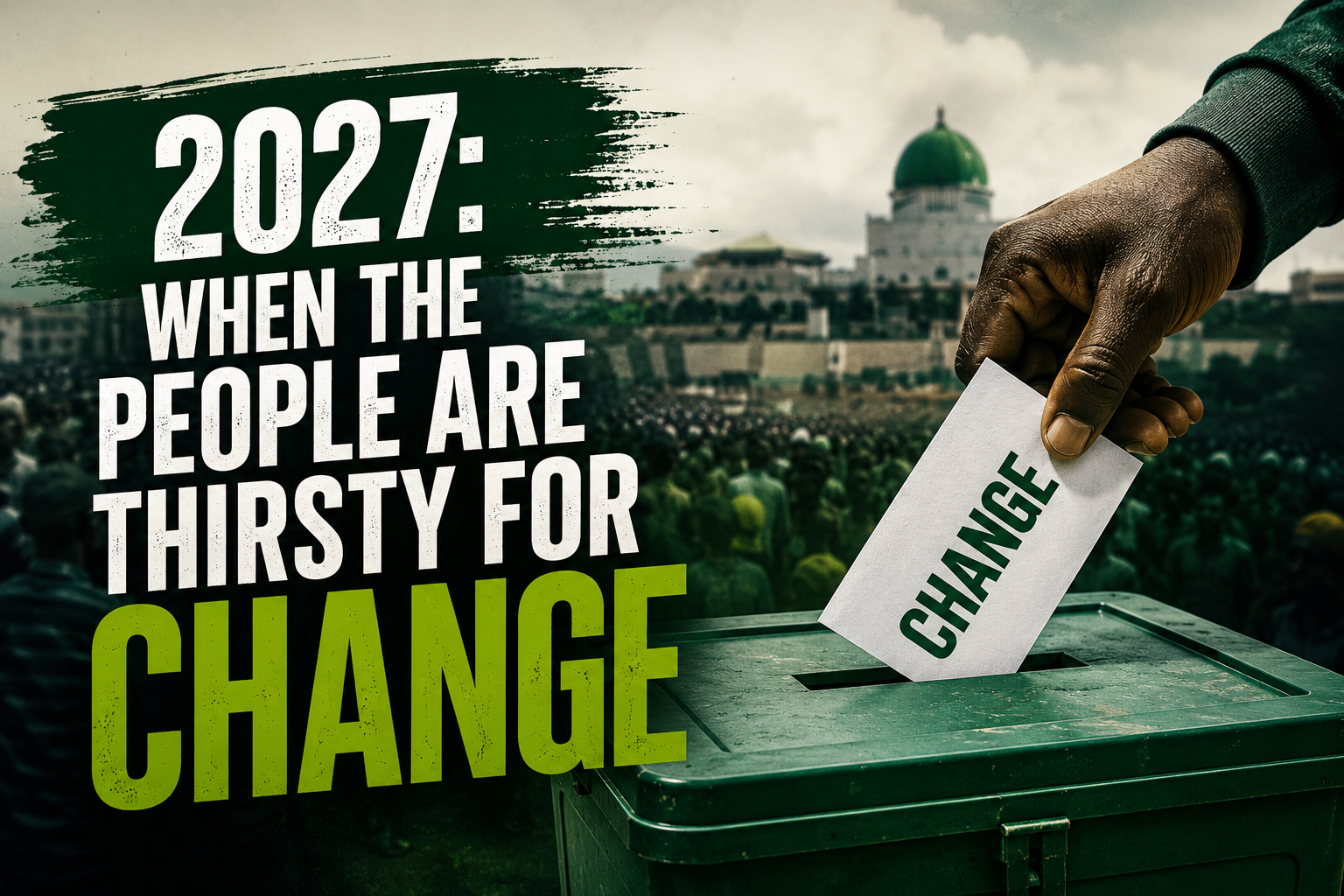
The hunger is not for slogans. It is for accountability, jobs, stable electricity, affordable food and security. That is the “thirst for CHANGE” driving current politicking across the APC, ADC, PDP, NDC Party and newer coalitions.
Party meetings now contend with citizens who ask for track records before applause, and politicians who once moved quietly are now forced to explain themselves in town halls and on social media.
The intrigues are visible. Defections, merger talks and new alliances are reshaping calculations ahead of 2027. Old political actors are regrouping, banking on structures and incumbency. But the electorate has also regrouped.
Data from Afrobarometer's 2023 survey found that 70% of Nigerians were dissatisfied with the direction of the country, while trust in elected officials remained low. The 2023 elections themselves, with their high youth turnout and disputes over transmission of results, taught millions of first-time voters how the process works and where it fails. That lesson has not been forgotten.
The Burden on INEC
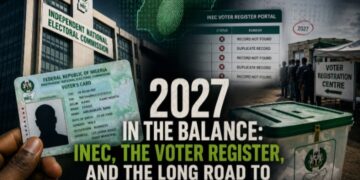
The Independent National Electoral Commission (INEC) sits at the center of the tension.
Its introduction of BVAS and the IReV portal in 2023 was intended to build confidence in the electoral process. While the technologies succeeded in many locations, the failure to transmit presidential election results in real time as widely anticipated created significant public concern regarding electoral transparency.
The perception, fair or otherwise, is that electoral institutions sometimes appear cautious when transparency is demanded by citizens.
For 2027 to be different, INEC must move early and decisively. Citizens increasingly expect:
- Clear and detailed election timelines.
- Independent audits of BVAS and IReV systems.
- Greater transparency and stakeholder access.
- Swift sanctions for procedural violations.
- Improved logistics and communication nationwide.
The electoral umpire cannot afford ambiguity when public trust remains fragile.
The Political Class Must Read the Mood
The politics of patronage, last-minute inducements and recycling familiar faces may still exist, but many analysts believe their effectiveness is declining.
Gen Z and Millennial voters now represent a significant force within Nigeria’s electorate. Unlike previous generations, they are often less attached to traditional party structures and more focused on measurable performance.
They organize online, verify political claims independently, and increasingly vote across party lines when they believe a candidate aligns with their expectations.
It is no longer business as usual. Candidates will increasingly be judged, not merely nominated.
Political parties that impose unpopular candidates risk losing support even within traditional strongholds because voters are becoming more independent than party structures.
The Responsibility of Nigerian Youth
For young Nigerians, the challenge remains straightforward.
Meaningful political change will not come from social media engagement alone. The Permanent Voter's Card (PVC) remains the most effective tool for translating frustration into democratic power.
According to INEC figures from 2023, millions of PVCs remained uncollected after voter registration exercises.
If 2027 is to genuinely reflect the will of the people, greater participation must accompany public criticism.
Register. Collect your PVC. Protect it. Show up on election day.
Democracy rewards participation at the ballot box, not merely commentary after results have been announced.
The Role of Security Agencies
Security agencies also face a critical test.
Nigerians continue to remember incidents of voter intimidation, ballot disruption and electoral violence that have accompanied previous elections.
Citizens increasingly insist that security institutions remain professional, impartial and committed to constitutional responsibilities throughout the electoral process.
Professional conduct, early deployment and transparent handling of electoral offenses will help protect both democracy and institutional credibility.
A Defining Election
The 2027 election is shaping up to be more than another political cycle. It represents a test of whether Nigeria can still correct its course through democratic means.
Economic pressures remain severe. Insecurity persists in several regions. Public confidence in institutions remains fragile. Yet these same challenges have also produced a more politically conscious electorate.
Citizens today are more informed, more impatient and more organized than at any point in recent history.
If electoral institutions act transparently, political parties present credible candidates and citizens participate actively, 2027 could mark a significant turning point in Nigeria’s democratic development.
If not, the country risks losing another four years to familiar political disappointments.
Conclusion
The choice, as always, rests with Nigerians.
But this time, the people are thirsty for CHANGE, and they intend to drink from the ballot.
Kenneth Eze is a Civil Society Actor and Public Affairs Analyst.
Email: engrchukeze2014@gmail.com